Buy nokiaantwerpskatecontest.be ?
We are moving the project
nokiaantwerpskatecontest.be .
Are you interested in purchasing the domain
nokiaantwerpskatecontest.be ?
domain@kv-gmbh.de · 0541-91531010
Buy nokiaantwerpskatecontest.be ?
What intermolecular forces exist?
Intermolecular forces are the forces of attraction and repulsion between molecules. The main types of intermolecular forces include London dispersion forces, dipole-dipole interactions, and hydrogen bonding. London dispersion forces are the weakest type of intermolecular force and occur between all molecules. Dipole-dipole interactions occur between polar molecules, where the positive end of one molecule is attracted to the negative end of another. Hydrogen bonding is a special type of dipole-dipole interaction that occurs when hydrogen is bonded to highly electronegative atoms like oxygen, nitrogen, or fluorine. **
What are intermolecular interactions?
Intermolecular interactions are the forces of attraction or repulsion between molecules. These interactions play a crucial role in determining the physical and chemical properties of substances. Examples of intermolecular interactions include hydrogen bonding, van der Waals forces, and dipole-dipole interactions. These forces can affect properties such as boiling and melting points, solubility, and viscosity. **


Similar search terms for Intermolecular
Top-Angebote
Products related to Intermolecular:
-
Liberator Kit Bondage avec Coussins "Wedge Ramp Combo"Explorez de nouvelles dimensions du plaisir avec le Kit Bondage avec Coussins "Wedge Ramp Combo" de Liberator. Ce duo de coussins d'amour, conçu pour épouser les formes du corps, vous invite à expérimenter des positions audacieuses et des pénétrations plus profondes. Les coussins cunéiformes369,00 €*Shipping: 0,00 €Secure redirect to the provider
-
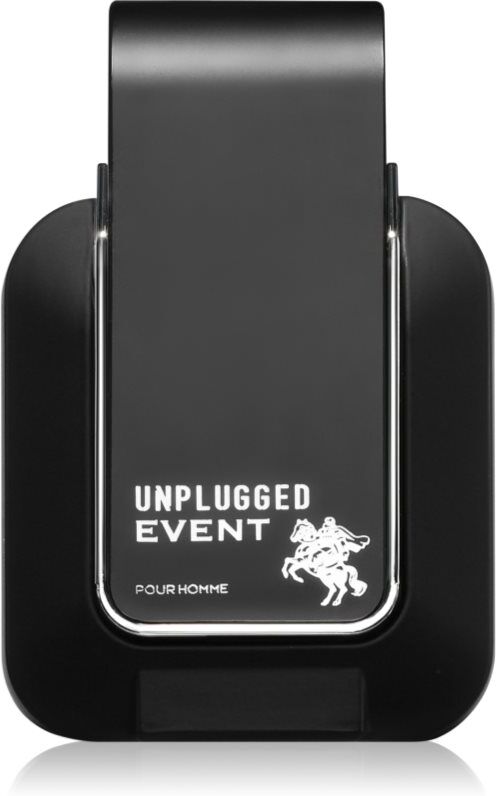
Emper Unplugged Event Eau de Parfum pour homme 80 mlEmper Unplugged Event, 80 ml, Eaux de Parfum pour homme, L'eau de parfum pour homme Emper Unplugged Event sera l’indispensable dont vous ne voudrez plus vous passer. Elle vous séduira dès les premières effluves et deviendra partie intégrante de votre quotidien. parfum fruité parfum floral parfum de musc un parfum plaisant qui ne cessera de vous captiver16,70 €*Shipping: 3,45 €Secure redirect to the provider
-
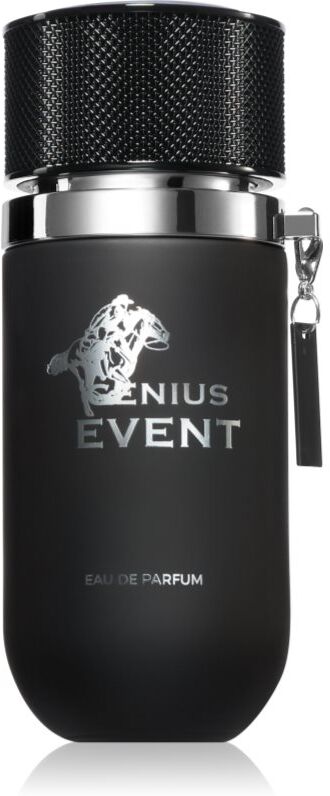
Emper Genius Event Eau de Parfum pour homme 100 mlEmper Genius Event, 100 ml, Eaux de Parfum pour homme, Que vous ayez une réunion d'affaires importante, une fête entre amis ou un dîner avec la femme de votre vie, l'eau de parfum pour homme Emper Genius Event sera votre meilleur atout. Elle vous donnera l’assurance dont vous aurez besoin pour oser vous mettre en valeur. parfum floral parfum boisé il mettra en valeur les hommes qui n'ont pas peur d'être naturels un parfum unique qui se prête aux occasions spéciales18,80 €*Shipping: 3,45 €Secure redirect to the provider

-
What are intermolecular forces?
Intermolecular forces are the attractive forces that exist between molecules. These forces are responsible for holding molecules together in a liquid or solid state. There are several types of intermolecular forces, including hydrogen bonding, dipole-dipole interactions, and London dispersion forces. These forces play a crucial role in determining the physical properties of substances, such as their boiling and melting points, as well as their solubility and viscosity. **
-
How are intermolecular forces classified?
Intermolecular forces are classified into three main categories: dispersion forces, dipole-dipole forces, and hydrogen bonding. Dispersion forces are the weakest type of intermolecular force and are caused by temporary fluctuations in electron distribution within molecules. Dipole-dipole forces occur between polar molecules and are stronger than dispersion forces. Hydrogen bonding is the strongest type of intermolecular force and occurs when hydrogen is bonded to highly electronegative atoms like oxygen, nitrogen, or fluorine. **
-
What are strong intermolecular interactions?
Strong intermolecular interactions are attractive forces between molecules that are stronger than typical van der Waals forces. These interactions can include hydrogen bonding, dipole-dipole interactions, and ion-dipole interactions. Strong intermolecular interactions play a crucial role in determining the physical properties of substances such as boiling point, melting point, and solubility. They are important in various biological processes, such as protein folding and DNA replication. **
-
Which intermolecular interactions are possible?
Intermolecular interactions that are possible include hydrogen bonding, dipole-dipole interactions, and London dispersion forces. Hydrogen bonding occurs when a hydrogen atom is bonded to a highly electronegative atom such as oxygen, nitrogen, or fluorine. Dipole-dipole interactions occur between molecules with permanent dipoles, while London dispersion forces are the weakest intermolecular interactions and occur between all molecules due to temporary fluctuations in electron distribution. These interactions play a crucial role in determining the physical properties of substances such as boiling and melting points. **
Which intermolecular forces are the strongest?
The strongest intermolecular forces are hydrogen bonding, which occurs when a hydrogen atom is bonded to a highly electronegative atom such as oxygen, nitrogen, or fluorine. Hydrogen bonding is stronger than dipole-dipole interactions and London dispersion forces. This is because hydrogen bonding involves a particularly strong attraction between the partially positive hydrogen atom and the partially negative atom it is bonded to, leading to a higher energy of interaction compared to other intermolecular forces. **
What are intermolecular interactions in chemistry?
Intermolecular interactions are the forces of attraction or repulsion between molecules. These interactions play a crucial role in determining the physical properties of substances, such as boiling point, melting point, and solubility. The main types of intermolecular interactions include hydrogen bonding, dipole-dipole interactions, and van der Waals forces. These interactions are weaker than chemical bonds within a molecule, but they still significantly impact the behavior and properties of substances. **
Top-Angebote
Products related to Intermolecular:
-
Liberator Flip RampLe Flip Ramp de Liberator attire le regard dès le premier contact. Sa forme intrigante invite à la curiosité et à l’exploration. On le déplie, on l’observe, et déjà les idées fusent. Ce matelas ergonomique s’impose comme un véritable accessoire de confort et de jeu, pensé pour accompagner les219,00 €*Shipping: 0,00 €Secure redirect to the provider
-
Liberator Kit Coussin Wedge Ramp NoirDécouvrez de nouvelles dimensions de plaisir avec le Kit Coussin Wedge Ramp Noir de Liberator. Ces deux coussins d'amour anatomiques transforment chaque moment intime en une expérience inoubliable. Les housses en microfibre, non seulement lavables en machine, adhèrent l'une à l'autre pour garantir269,00 €*Shipping: 0,00 €Secure redirect to the provider
-
Liberator Kit Bondage avec Coussins "Wedge Ramp Combo"Explorez de nouvelles dimensions du plaisir avec le Kit Bondage avec Coussins "Wedge Ramp Combo" de Liberator. Ce duo de coussins d'amour, conçu pour épouser les formes du corps, vous invite à expérimenter des positions audacieuses et des pénétrations plus profondes. Les coussins cunéiformes369,00 €*Shipping: 0,00 €Secure redirect to the provider
-
Emper Unplugged Event Eau de Parfum pour homme 80 mlEmper Unplugged Event, 80 ml, Eaux de Parfum pour homme, L'eau de parfum pour homme Emper Unplugged Event sera l’indispensable dont vous ne voudrez plus vous passer. Elle vous séduira dès les premières effluves et deviendra partie intégrante de votre quotidien. parfum fruité parfum floral parfum de musc un parfum plaisant qui ne cessera de vous captiver16,70 €*Shipping: 3,45 €Secure redirect to the provider
-
What intermolecular forces exist?
Intermolecular forces are the forces of attraction and repulsion between molecules. The main types of intermolecular forces include London dispersion forces, dipole-dipole interactions, and hydrogen bonding. London dispersion forces are the weakest type of intermolecular force and occur between all molecules. Dipole-dipole interactions occur between polar molecules, where the positive end of one molecule is attracted to the negative end of another. Hydrogen bonding is a special type of dipole-dipole interaction that occurs when hydrogen is bonded to highly electronegative atoms like oxygen, nitrogen, or fluorine. **
-
What are intermolecular interactions?
Intermolecular interactions are the forces of attraction or repulsion between molecules. These interactions play a crucial role in determining the physical and chemical properties of substances. Examples of intermolecular interactions include hydrogen bonding, van der Waals forces, and dipole-dipole interactions. These forces can affect properties such as boiling and melting points, solubility, and viscosity. **
-
What are intermolecular forces?
Intermolecular forces are the attractive forces that exist between molecules. These forces are responsible for holding molecules together in a liquid or solid state. There are several types of intermolecular forces, including hydrogen bonding, dipole-dipole interactions, and London dispersion forces. These forces play a crucial role in determining the physical properties of substances, such as their boiling and melting points, as well as their solubility and viscosity. **
-
How are intermolecular forces classified?
Intermolecular forces are classified into three main categories: dispersion forces, dipole-dipole forces, and hydrogen bonding. Dispersion forces are the weakest type of intermolecular force and are caused by temporary fluctuations in electron distribution within molecules. Dipole-dipole forces occur between polar molecules and are stronger than dispersion forces. Hydrogen bonding is the strongest type of intermolecular force and occurs when hydrogen is bonded to highly electronegative atoms like oxygen, nitrogen, or fluorine. **
Similar search terms for Intermolecular
-
Emper Genius Event Eau de Parfum pour homme 100 mlEmper Genius Event, 100 ml, Eaux de Parfum pour homme, Que vous ayez une réunion d'affaires importante, une fête entre amis ou un dîner avec la femme de votre vie, l'eau de parfum pour homme Emper Genius Event sera votre meilleur atout. Elle vous donnera l’assurance dont vous aurez besoin pour oser vous mettre en valeur. parfum floral parfum boisé il mettra en valeur les hommes qui n'ont pas peur d'être naturels un parfum unique qui se prête aux occasions spéciales18,80 €*Shipping: 3,45 €Secure redirect to the provider
-
What are strong intermolecular interactions?
Strong intermolecular interactions are attractive forces between molecules that are stronger than typical van der Waals forces. These interactions can include hydrogen bonding, dipole-dipole interactions, and ion-dipole interactions. Strong intermolecular interactions play a crucial role in determining the physical properties of substances such as boiling point, melting point, and solubility. They are important in various biological processes, such as protein folding and DNA replication. **
-
Which intermolecular interactions are possible?
Intermolecular interactions that are possible include hydrogen bonding, dipole-dipole interactions, and London dispersion forces. Hydrogen bonding occurs when a hydrogen atom is bonded to a highly electronegative atom such as oxygen, nitrogen, or fluorine. Dipole-dipole interactions occur between molecules with permanent dipoles, while London dispersion forces are the weakest intermolecular interactions and occur between all molecules due to temporary fluctuations in electron distribution. These interactions play a crucial role in determining the physical properties of substances such as boiling and melting points. **
-
Which intermolecular forces are the strongest?
The strongest intermolecular forces are hydrogen bonding, which occurs when a hydrogen atom is bonded to a highly electronegative atom such as oxygen, nitrogen, or fluorine. Hydrogen bonding is stronger than dipole-dipole interactions and London dispersion forces. This is because hydrogen bonding involves a particularly strong attraction between the partially positive hydrogen atom and the partially negative atom it is bonded to, leading to a higher energy of interaction compared to other intermolecular forces. **
-
What are intermolecular interactions in chemistry?
Intermolecular interactions are the forces of attraction or repulsion between molecules. These interactions play a crucial role in determining the physical properties of substances, such as boiling point, melting point, and solubility. The main types of intermolecular interactions include hydrogen bonding, dipole-dipole interactions, and van der Waals forces. These interactions are weaker than chemical bonds within a molecule, but they still significantly impact the behavior and properties of substances. **
* All prices are inclusive of VAT and, if applicable, plus shipping costs. The offer information is based on the details provided by the respective shop and is updated through automated processes. Real-time updates do not occur, so deviations can occur in individual cases. ** Note: Parts of this content were created by AI.