Buy nokiaantwerpskatecontest.be ?
We are moving the project
nokiaantwerpskatecontest.be .
Are you interested in purchasing the domain
nokiaantwerpskatecontest.be ?
domain@kv-gmbh.de · 0541-91531010
Buy nokiaantwerpskatecontest.be ?
Is the numerator correctly factored out?
To determine if the numerator is correctly factored out, you should check if the numerator has been fully factored into its prime factors. If the numerator has been fully factored, then it has been correctly factored out. However, if the numerator has not been fully factored, then it has not been correctly factored out. It's important to ensure that the numerator has been fully factored in order to accurately simplify the expression. **
Is the numerator greater than the denominator?
To determine if the numerator is greater than the denominator, you would need to compare their values. If the numerator is larger than the denominator, then the fraction is greater than 1. If the numerator is smaller than the denominator, then the fraction is less than 1. If the numerator and denominator are equal, then the fraction is equal to 1. **

Similar search terms for Numerator
Top-Angebote
Products related to Numerator:
-
Emper Genius Event Eau de Parfum pour homme 100 mlEmper Genius Event, 100 ml, Eaux de Parfum pour homme, Que vous ayez une réunion d'affaires importante, une fête entre amis ou un dîner avec la femme de votre vie, l'eau de parfum pour homme Emper Genius Event sera votre meilleur atout. Elle vous donnera l’assurance dont vous aurez besoin pour oser vous mettre en valeur. parfum floral parfum boisé il mettra en valeur les hommes qui n'ont pas peur d'être naturels un parfum unique qui se prête aux occasions spéciales18,80 €*Shipping: 3,45 €Secure redirect to the provider


-
How can one simplify x in the numerator?
To simplify x in the numerator, you can look for common factors between x and other terms in the numerator. If there are common factors, you can divide both x and the other terms by the greatest common factor to simplify the expression. Additionally, you can combine like terms in the numerator to simplify x. Finally, if x is raised to a power, you can use exponent rules to simplify it further. **
-
What is the correct specification of the numerator?
The correct specification of the numerator is the top number in a fraction that represents the number of equal parts being considered. It is the number that is being divided into the total number of parts. For example, in the fraction 3/4, the numerator is 3, indicating that there are 3 parts being considered out of a total of 4. The numerator is always written above the fraction bar. **
-
How can one resolve x in the numerator?
To resolve x in the numerator, you can factor out x if it is a common factor in all terms of the numerator. This involves dividing each term in the numerator by x. Another way is to simplify the expression by combining like terms and then isolating x in the numerator. Additionally, you can multiply both the numerator and denominator by x to eliminate x from the denominator and have it only in the numerator. **
-
How do I remove x from the numerator?
To remove x from the numerator, you can divide both the numerator and the denominator by x. This will cancel out the x in the numerator and simplify the expression. If x is part of a larger term in the numerator, you can also factor out the x and then divide the entire numerator by x. This will also remove x from the numerator and simplify the expression. **
What is the correct way to indicate the numerator?
The correct way to indicate the numerator in a fraction is to write the number above the fraction line. The numerator represents the number of parts being considered out of the whole, and it is always written above the fraction line. For example, in the fraction 3/5, the numerator is 3. **
How do I get the denominator onto the numerator?
To get the denominator onto the numerator, you can multiply the numerator and denominator by the same number. This will create an equivalent fraction where the denominator becomes 1, and the numerator is the product of the original numerator and denominator. For example, if you have the fraction 3/4, you can multiply both the numerator and denominator by 4 to get 3/4 * 4/4 = 12/16. **
Top-Angebote
Products related to Numerator:
-
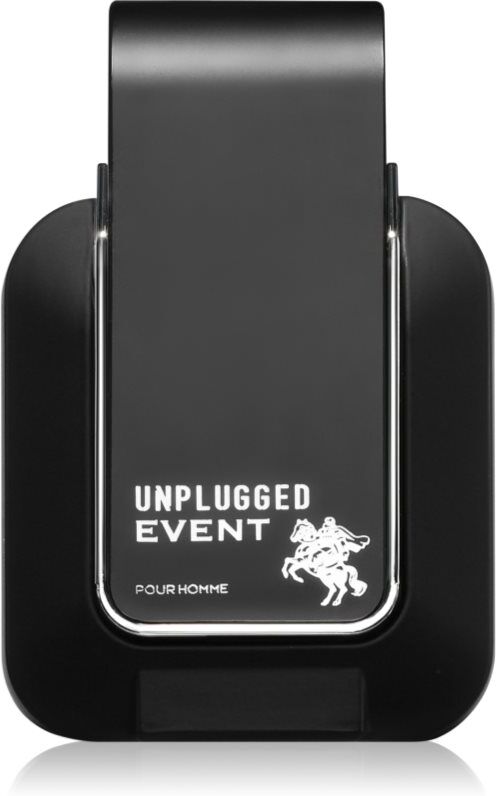
Emper Unplugged Event Eau de Parfum pour homme 80 mlEmper Unplugged Event, 80 ml, Eaux de Parfum pour homme, L'eau de parfum pour homme Emper Unplugged Event sera l’indispensable dont vous ne voudrez plus vous passer. Elle vous séduira dès les premières effluves et deviendra partie intégrante de votre quotidien. parfum fruité parfum floral parfum de musc un parfum plaisant qui ne cessera de vous captiver16,70 €*Shipping: 3,45 €Secure redirect to the provider
-
Emper Genius Event Eau de Parfum pour homme 100 mlEmper Genius Event, 100 ml, Eaux de Parfum pour homme, Que vous ayez une réunion d'affaires importante, une fête entre amis ou un dîner avec la femme de votre vie, l'eau de parfum pour homme Emper Genius Event sera votre meilleur atout. Elle vous donnera l’assurance dont vous aurez besoin pour oser vous mettre en valeur. parfum floral parfum boisé il mettra en valeur les hommes qui n'ont pas peur d'être naturels un parfum unique qui se prête aux occasions spéciales18,80 €*Shipping: 3,45 €Secure redirect to the provider
-
Is the numerator correctly factored out?
To determine if the numerator is correctly factored out, you should check if the numerator has been fully factored into its prime factors. If the numerator has been fully factored, then it has been correctly factored out. However, if the numerator has not been fully factored, then it has not been correctly factored out. It's important to ensure that the numerator has been fully factored in order to accurately simplify the expression. **
-
Is the numerator greater than the denominator?
To determine if the numerator is greater than the denominator, you would need to compare their values. If the numerator is larger than the denominator, then the fraction is greater than 1. If the numerator is smaller than the denominator, then the fraction is less than 1. If the numerator and denominator are equal, then the fraction is equal to 1. **
-
How can one simplify x in the numerator?
To simplify x in the numerator, you can look for common factors between x and other terms in the numerator. If there are common factors, you can divide both x and the other terms by the greatest common factor to simplify the expression. Additionally, you can combine like terms in the numerator to simplify x. Finally, if x is raised to a power, you can use exponent rules to simplify it further. **
-
What is the correct specification of the numerator?
The correct specification of the numerator is the top number in a fraction that represents the number of equal parts being considered. It is the number that is being divided into the total number of parts. For example, in the fraction 3/4, the numerator is 3, indicating that there are 3 parts being considered out of a total of 4. The numerator is always written above the fraction bar. **
Similar search terms for Numerator
-
How can one resolve x in the numerator?
To resolve x in the numerator, you can factor out x if it is a common factor in all terms of the numerator. This involves dividing each term in the numerator by x. Another way is to simplify the expression by combining like terms and then isolating x in the numerator. Additionally, you can multiply both the numerator and denominator by x to eliminate x from the denominator and have it only in the numerator. **
-
How do I remove x from the numerator?
To remove x from the numerator, you can divide both the numerator and the denominator by x. This will cancel out the x in the numerator and simplify the expression. If x is part of a larger term in the numerator, you can also factor out the x and then divide the entire numerator by x. This will also remove x from the numerator and simplify the expression. **
-
What is the correct way to indicate the numerator?
The correct way to indicate the numerator in a fraction is to write the number above the fraction line. The numerator represents the number of parts being considered out of the whole, and it is always written above the fraction line. For example, in the fraction 3/5, the numerator is 3. **
-
How do I get the denominator onto the numerator?
To get the denominator onto the numerator, you can multiply the numerator and denominator by the same number. This will create an equivalent fraction where the denominator becomes 1, and the numerator is the product of the original numerator and denominator. For example, if you have the fraction 3/4, you can multiply both the numerator and denominator by 4 to get 3/4 * 4/4 = 12/16. **
* All prices are inclusive of VAT and, if applicable, plus shipping costs. The offer information is based on the details provided by the respective shop and is updated through automated processes. Real-time updates do not occur, so deviations can occur in individual cases. ** Note: Parts of this content were created by AI.