Buy nokiaantwerpskatecontest.be ?
We are moving the project
nokiaantwerpskatecontest.be .
Are you interested in purchasing the domain
nokiaantwerpskatecontest.be ?
domain@kv-gmbh.de · 0541-91531010
Buy nokiaantwerpskatecontest.be ?
What are grass bales?
Grass bales are compacted bundles of dried grass that are commonly used as animal feed for livestock such as cattle, horses, and sheep. They are made by cutting and drying grass, then baling it into tight, manageable packages for storage and transportation. Grass bales are a convenient way to provide animals with a source of nutrition, especially during times when fresh grass is not readily available. **
What are hay bales?
Hay bales are compacted bundles of dried grasses or legumes, typically used as animal feed or bedding. They are created by cutting and drying the grasses in the field, then baling them into large, rectangular or cylindrical shapes for storage and transportation. Hay bales are a common sight in rural areas and are an important part of the agricultural industry for feeding livestock during the winter months when fresh forage is not available. **

Similar search terms for Bales
Top-Angebote
Products related to Bales:
-
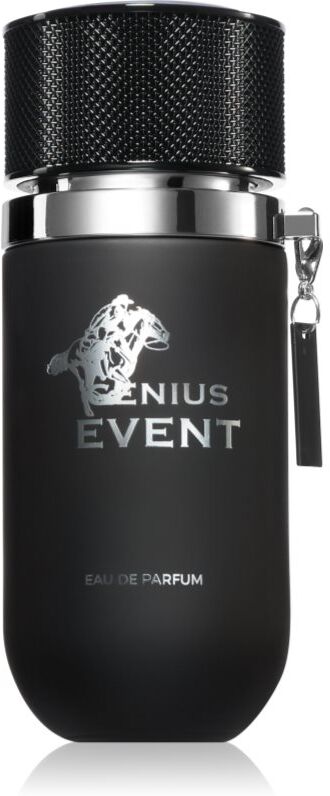
Emper Genius Event Eau de Parfum pour homme 100 mlEmper Genius Event, 100 ml, Eaux de Parfum pour homme, Que vous ayez une réunion d'affaires importante, une fête entre amis ou un dîner avec la femme de votre vie, l'eau de parfum pour homme Emper Genius Event sera votre meilleur atout. Elle vous donnera l’assurance dont vous aurez besoin pour oser vous mettre en valeur. parfum floral parfum boisé il mettra en valeur les hommes qui n'ont pas peur d'être naturels un parfum unique qui se prête aux occasions spéciales18,80 €*Shipping: 3,45 €Secure redirect to the provider

-
What is the difference between hay bales and grass bales in FS 19?
In FS 19, hay bales are made from dried grass that has been cut and left to dry in the sun. These bales are used as animal feed and can be created using a hay baler. On the other hand, grass bales are made from fresh grass that has been cut and baled without drying. Grass bales are primarily used for silage production and can be created using a grass baler. The main difference between the two is the stage of grass at which they are baled and their intended use. **
-
How much hay does a horse eat in a month, round bales or HD bales?
The amount of hay a horse eats in a month can vary depending on the size and activity level of the horse, as well as the quality of the hay. On average, a horse can eat about 2% of its body weight in hay per day. For a 1,000-pound horse, this would be about 20 pounds of hay per day, or 600 pounds per month. This can be in the form of round bales or HD bales, but it's important to monitor the horse's body condition and adjust the amount of hay accordingly. **
-
How do you transport hay bales?
Hay bales can be transported using a variety of methods, depending on the quantity and distance. Small quantities can be loaded onto a trailer or truck bed and secured with straps or bungee cords. For larger quantities, a flatbed truck or tractor with a hay fork attachment can be used to stack and transport the bales. In some cases, hay can also be transported using specialized hay trailers or wagons designed for this purpose. It's important to ensure that the bales are securely loaded and properly balanced to prevent shifting or tipping during transport. **
-
Why are the clothes pressed into bales?
Clothes are pressed into bales for several reasons. First, it helps to save space during transportation and storage, allowing for more efficient shipping and handling. Second, pressing clothes into bales helps to protect them from damage and dirt during transit. Additionally, it makes it easier to handle and manage large quantities of clothing, especially in the recycling and second-hand clothing industries. Finally, baling clothes also helps to streamline the sorting and processing of different types of clothing for resale or recycling purposes. **
How can one climb on straw bales?
To climb on straw bales, one should first ensure that the bales are stable and stacked securely. It is important to approach the bales from the side and use hands and feet to grip onto the straw for support. Slow and deliberate movements should be made to prevent the bales from shifting or toppling over. It is also advisable to have someone nearby for assistance or support in case of any accidents. **
What are the differences between straw bales?
Straw bales can differ in several ways, including the type of straw used, the density of the bales, and the size of the bales. Different types of straw, such as wheat, rice, or barley straw, can be used to make straw bales, each with its own unique characteristics. The density of the bales can also vary, affecting their strength and insulation properties. Additionally, straw bales can come in different sizes, such as standard rectangular bales or larger round bales, which can impact their ease of handling and construction. **
Top-Angebote
Products related to Bales:
-
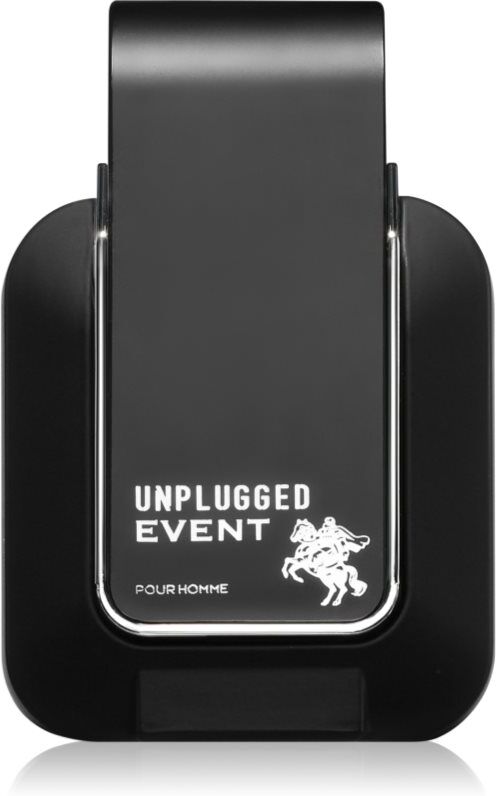
Emper Unplugged Event Eau de Parfum pour homme 80 mlEmper Unplugged Event, 80 ml, Eaux de Parfum pour homme, L'eau de parfum pour homme Emper Unplugged Event sera l’indispensable dont vous ne voudrez plus vous passer. Elle vous séduira dès les premières effluves et deviendra partie intégrante de votre quotidien. parfum fruité parfum floral parfum de musc un parfum plaisant qui ne cessera de vous captiver16,70 €*Shipping: 3,45 €Secure redirect to the provider
-
Emper Genius Event Eau de Parfum pour homme 100 mlEmper Genius Event, 100 ml, Eaux de Parfum pour homme, Que vous ayez une réunion d'affaires importante, une fête entre amis ou un dîner avec la femme de votre vie, l'eau de parfum pour homme Emper Genius Event sera votre meilleur atout. Elle vous donnera l’assurance dont vous aurez besoin pour oser vous mettre en valeur. parfum floral parfum boisé il mettra en valeur les hommes qui n'ont pas peur d'être naturels un parfum unique qui se prête aux occasions spéciales18,80 €*Shipping: 3,45 €Secure redirect to the provider
-
What are grass bales?
Grass bales are compacted bundles of dried grass that are commonly used as animal feed for livestock such as cattle, horses, and sheep. They are made by cutting and drying grass, then baling it into tight, manageable packages for storage and transportation. Grass bales are a convenient way to provide animals with a source of nutrition, especially during times when fresh grass is not readily available. **
-
What are hay bales?
Hay bales are compacted bundles of dried grasses or legumes, typically used as animal feed or bedding. They are created by cutting and drying the grasses in the field, then baling them into large, rectangular or cylindrical shapes for storage and transportation. Hay bales are a common sight in rural areas and are an important part of the agricultural industry for feeding livestock during the winter months when fresh forage is not available. **
-
What is the difference between hay bales and grass bales in FS 19?
In FS 19, hay bales are made from dried grass that has been cut and left to dry in the sun. These bales are used as animal feed and can be created using a hay baler. On the other hand, grass bales are made from fresh grass that has been cut and baled without drying. Grass bales are primarily used for silage production and can be created using a grass baler. The main difference between the two is the stage of grass at which they are baled and their intended use. **
-
How much hay does a horse eat in a month, round bales or HD bales?
The amount of hay a horse eats in a month can vary depending on the size and activity level of the horse, as well as the quality of the hay. On average, a horse can eat about 2% of its body weight in hay per day. For a 1,000-pound horse, this would be about 20 pounds of hay per day, or 600 pounds per month. This can be in the form of round bales or HD bales, but it's important to monitor the horse's body condition and adjust the amount of hay accordingly. **
Similar search terms for Bales
-
How do you transport hay bales?
Hay bales can be transported using a variety of methods, depending on the quantity and distance. Small quantities can be loaded onto a trailer or truck bed and secured with straps or bungee cords. For larger quantities, a flatbed truck or tractor with a hay fork attachment can be used to stack and transport the bales. In some cases, hay can also be transported using specialized hay trailers or wagons designed for this purpose. It's important to ensure that the bales are securely loaded and properly balanced to prevent shifting or tipping during transport. **
-
Why are the clothes pressed into bales?
Clothes are pressed into bales for several reasons. First, it helps to save space during transportation and storage, allowing for more efficient shipping and handling. Second, pressing clothes into bales helps to protect them from damage and dirt during transit. Additionally, it makes it easier to handle and manage large quantities of clothing, especially in the recycling and second-hand clothing industries. Finally, baling clothes also helps to streamline the sorting and processing of different types of clothing for resale or recycling purposes. **
-
How can one climb on straw bales?
To climb on straw bales, one should first ensure that the bales are stable and stacked securely. It is important to approach the bales from the side and use hands and feet to grip onto the straw for support. Slow and deliberate movements should be made to prevent the bales from shifting or toppling over. It is also advisable to have someone nearby for assistance or support in case of any accidents. **
-
What are the differences between straw bales?
Straw bales can differ in several ways, including the type of straw used, the density of the bales, and the size of the bales. Different types of straw, such as wheat, rice, or barley straw, can be used to make straw bales, each with its own unique characteristics. The density of the bales can also vary, affecting their strength and insulation properties. Additionally, straw bales can come in different sizes, such as standard rectangular bales or larger round bales, which can impact their ease of handling and construction. **
* All prices are inclusive of VAT and, if applicable, plus shipping costs. The offer information is based on the details provided by the respective shop and is updated through automated processes. Real-time updates do not occur, so deviations can occur in individual cases. ** Note: Parts of this content were created by AI.