Buy nokiaantwerpskatecontest.be ?
We are moving the project
nokiaantwerpskatecontest.be .
Are you interested in purchasing the domain
nokiaantwerpskatecontest.be ?
domain@kv-gmbh.de · 0541-91531010
Buy nokiaantwerpskatecontest.be ?
Why is it proverbially "Schwein gehabt" (literally "had pig") and not "Sau gehabt" (literally "had sow")?
The phrase "Schwein gehabt" (had pig) is used proverbially in German to mean "got lucky" or "had good fortune." The reason for using "Schwein" instead of "Sau" (sow) is likely due to the fact that pigs are traditionally associated with good luck and prosperity in many cultures. In German folklore, pigs are seen as symbols of wealth and abundance, so the use of "Schwein" in the proverb reflects this positive connotation. On the other hand, "Sau" is often used in a derogatory or negative context, so it would not convey the same sense of good fortune as "Schwein." **
Where does the expression "Mehl gehabt" come from?
The expression "Mehl gehabt" is a German phrase that translates to "got flour" in English. It is used colloquially to mean "got lucky" or "got away with it." The origin of this expression is believed to come from the idea that having flour was considered a sign of wealth or good fortune in the past, so "getting flour" meant being fortunate or lucky. **
Similar search terms for Gehabt
Top-Angebote
Products related to Gehabt:
-
Why do we say "Schwein gehabt" in German?
The phrase "Schwein gehabt" in German translates to "had pig" in English and is used to express the idea of being lucky or fortunate. The origin of this phrase is not entirely clear, but it is believed to come from the idea that pigs are considered lucky animals in German culture. Pigs were seen as a symbol of wealth and prosperity, so saying "Schwein gehabt" is a way of acknowledging good luck or a fortunate outcome. **
-
What is the difference between hatte and hatte gehabt?
The difference between "hatte" and "hatte gehabt" lies in the aspect of the verb. "Hatte" is the simple past tense of the verb "haben" (to have), while "hatte gehabt" is the past perfect tense. "Hatte" indicates a completed action in the past, while "hatte gehabt" indicates an action that was completed before another past action. For example, "Ich hatte einen Hund" means "I had a dog," while "Ich hatte einen Hund gehabt" means "I had had a dog." **
-
What is an experience narrative and what does "Pech gehabt" mean?
An experience narrative is a personal story that recounts a particular experience or event from the narrator's perspective. It often includes details about the setting, the people involved, and the emotions and thoughts of the narrator. "Pech gehabt" is a German expression that translates to "bad luck" or "tough luck" in English. It is used to express sympathy or understanding when someone has encountered an unfortunate or unlucky situation. **
-
Why do so many people use the phrase "das hatte ich noch nicht gemacht gehabt"?
Many people use the phrase "das hatte ich noch nicht gemacht gehabt" because it is a common way to express that they had not done something before in German. The phrase is a past perfect construction, which is commonly used in German to talk about actions that were completed before a certain point in the past. It is a natural and grammatically correct way to convey this idea in German, so it has become a popular phrase in everyday conversation. **
What tricks are approximately necessary to get sponsored in skateboarding?
To get sponsored in skateboarding, it is important to have a strong and unique style that sets you apart from other skaters. Consistently landing difficult tricks and showcasing creativity in your skating can also help attract the attention of sponsors. Building a strong social media presence and networking within the skateboarding community can also increase your chances of getting sponsored. Ultimately, dedication, passion, and a positive attitude are key factors in catching the eye of potential sponsors. **
1. What tense does the sentence "Er hätte gespielt gehabt" have? 2. What tense does the sentence "Er müsste gespielt haben" have?
The sentence "Er hätte gespielt gehabt" is in the past perfect tense (Plusquamperfekt) in German. This tense is used to express an action that had already been completed before another past action. The sentence "Er müsste gespielt haben" is in the present perfect tense (Perfekt) in German. This tense is used to express an action that has been completed in the past and has relevance to the present. **
Top-Angebote
Products related to Gehabt:
-
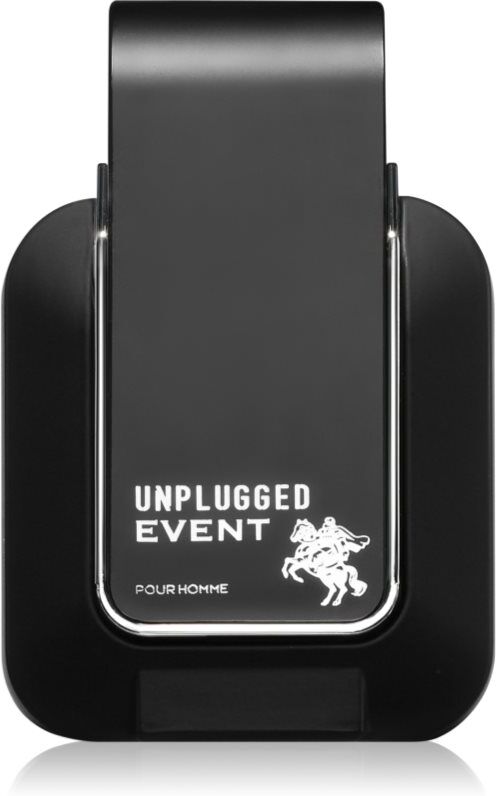
Emper Unplugged Event Eau de Parfum pour homme 80 mlEmper Unplugged Event, 80 ml, Eaux de Parfum pour homme, L'eau de parfum pour homme Emper Unplugged Event sera l’indispensable dont vous ne voudrez plus vous passer. Elle vous séduira dès les premières effluves et deviendra partie intégrante de votre quotidien. parfum fruité parfum floral parfum de musc un parfum plaisant qui ne cessera de vous captiver16,70 €*Shipping: 3,45 €Secure redirect to the provider
-
Why is it proverbially "Schwein gehabt" (literally "had pig") and not "Sau gehabt" (literally "had sow")?
The phrase "Schwein gehabt" (had pig) is used proverbially in German to mean "got lucky" or "had good fortune." The reason for using "Schwein" instead of "Sau" (sow) is likely due to the fact that pigs are traditionally associated with good luck and prosperity in many cultures. In German folklore, pigs are seen as symbols of wealth and abundance, so the use of "Schwein" in the proverb reflects this positive connotation. On the other hand, "Sau" is often used in a derogatory or negative context, so it would not convey the same sense of good fortune as "Schwein." **
-
Where does the expression "Mehl gehabt" come from?
The expression "Mehl gehabt" is a German phrase that translates to "got flour" in English. It is used colloquially to mean "got lucky" or "got away with it." The origin of this expression is believed to come from the idea that having flour was considered a sign of wealth or good fortune in the past, so "getting flour" meant being fortunate or lucky. **
-
Why do we say "Schwein gehabt" in German?
The phrase "Schwein gehabt" in German translates to "had pig" in English and is used to express the idea of being lucky or fortunate. The origin of this phrase is not entirely clear, but it is believed to come from the idea that pigs are considered lucky animals in German culture. Pigs were seen as a symbol of wealth and prosperity, so saying "Schwein gehabt" is a way of acknowledging good luck or a fortunate outcome. **
-
What is the difference between hatte and hatte gehabt?
The difference between "hatte" and "hatte gehabt" lies in the aspect of the verb. "Hatte" is the simple past tense of the verb "haben" (to have), while "hatte gehabt" is the past perfect tense. "Hatte" indicates a completed action in the past, while "hatte gehabt" indicates an action that was completed before another past action. For example, "Ich hatte einen Hund" means "I had a dog," while "Ich hatte einen Hund gehabt" means "I had had a dog." **
Similar search terms for Gehabt
-
What is an experience narrative and what does "Pech gehabt" mean?
An experience narrative is a personal story that recounts a particular experience or event from the narrator's perspective. It often includes details about the setting, the people involved, and the emotions and thoughts of the narrator. "Pech gehabt" is a German expression that translates to "bad luck" or "tough luck" in English. It is used to express sympathy or understanding when someone has encountered an unfortunate or unlucky situation. **
-
Why do so many people use the phrase "das hatte ich noch nicht gemacht gehabt"?
Many people use the phrase "das hatte ich noch nicht gemacht gehabt" because it is a common way to express that they had not done something before in German. The phrase is a past perfect construction, which is commonly used in German to talk about actions that were completed before a certain point in the past. It is a natural and grammatically correct way to convey this idea in German, so it has become a popular phrase in everyday conversation. **
-
What tricks are approximately necessary to get sponsored in skateboarding?
To get sponsored in skateboarding, it is important to have a strong and unique style that sets you apart from other skaters. Consistently landing difficult tricks and showcasing creativity in your skating can also help attract the attention of sponsors. Building a strong social media presence and networking within the skateboarding community can also increase your chances of getting sponsored. Ultimately, dedication, passion, and a positive attitude are key factors in catching the eye of potential sponsors. **
-
1. What tense does the sentence "Er hätte gespielt gehabt" have? 2. What tense does the sentence "Er müsste gespielt haben" have?
The sentence "Er hätte gespielt gehabt" is in the past perfect tense (Plusquamperfekt) in German. This tense is used to express an action that had already been completed before another past action. The sentence "Er müsste gespielt haben" is in the present perfect tense (Perfekt) in German. This tense is used to express an action that has been completed in the past and has relevance to the present. **
* All prices are inclusive of VAT and, if applicable, plus shipping costs. The offer information is based on the details provided by the respective shop and is updated through automated processes. Real-time updates do not occur, so deviations can occur in individual cases. ** Note: Parts of this content were created by AI.