Buy nokiaantwerpskatecontest.be ?
We are moving the project
nokiaantwerpskatecontest.be .
Are you interested in purchasing the domain
nokiaantwerpskatecontest.be ?
domain@kv-gmbh.de · 0541-91531010
Buy nokiaantwerpskatecontest.be ?
Is anger a noun?
Yes, anger is a noun. It is a feeling or emotion that can be experienced by a person. As a noun, anger refers to the strong feeling of displeasure or hostility towards someone or something. It is a common human emotion that can vary in intensity and duration. **
Is "Rot" a noun?
Yes, "Rot" is a noun. It refers to the process of decay or decomposition in organic matter. **

Similar search terms for Noun
Top-Angebote
Products related to Noun:
-
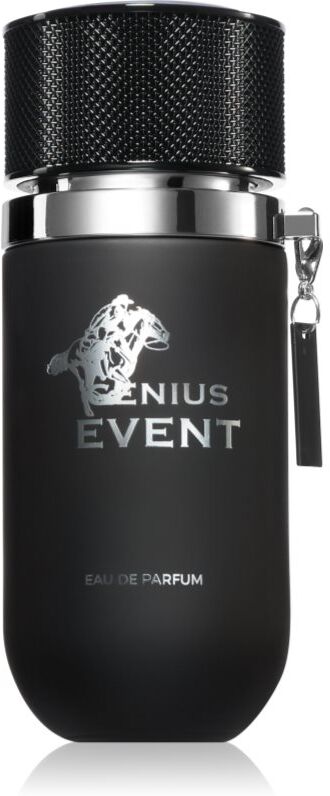
Emper Genius Event Eau de Parfum pour homme 100 mlEmper Genius Event, 100 ml, Eaux de Parfum pour homme, Que vous ayez une réunion d'affaires importante, une fête entre amis ou un dîner avec la femme de votre vie, l'eau de parfum pour homme Emper Genius Event sera votre meilleur atout. Elle vous donnera l’assurance dont vous aurez besoin pour oser vous mettre en valeur. parfum floral parfum boisé il mettra en valeur les hommes qui n'ont pas peur d'être naturels un parfum unique qui se prête aux occasions spéciales18,80 €*Shipping: 3,45 €Secure redirect to the provider

-
Is "müssen" a noun?
No, "müssen" is not a noun. It is a modal verb in German that means "must" or "have to." Modal verbs are used to express necessity, obligation, or possibility in a sentence. **
-
How do I recognize a masculine noun and a feminine noun in French?
In French, the gender of a noun is not always predictable and can vary from word to word. However, there are some general rules to help recognize the gender of a noun. One common rule is that nouns ending in -e are often feminine, while those ending in other letters are often masculine. Additionally, nouns referring to male people or animals are usually masculine, while those referring to female people or animals are usually feminine. However, it's important to note that there are many exceptions to these rules, and the gender of a noun often needs to be learned and memorized along with the word itself. **
-
How can I recognize a masculine noun and a feminine noun in French?
In French, one way to recognize a masculine noun is by looking at the article that precedes it. Masculine nouns are usually preceded by the articles "le" (singular) or "les" (plural). On the other hand, feminine nouns are typically preceded by the articles "la" (singular) or "les" (plural). Additionally, many feminine nouns end in the letter "e," while masculine nouns often do not. It is important to remember that there are exceptions to these rules, so it is helpful to learn the gender of nouns along with their respective articles. **
-
What are German noun signals?
German noun signals are words that indicate the gender of a noun in the German language. These signals can help learners determine whether a noun is masculine, feminine, or neuter. Some common signals include definite articles like "der" for masculine nouns, "die" for feminine nouns, and "das" for neuter nouns. Additionally, the ending of a noun can also serve as a signal, as certain endings are typically associated with specific genders. **
Is this a proper noun?
No, this is not a proper noun. **
Is a name a noun?
Yes, a name is a noun. In grammar, a noun is a word that represents a person, place, thing, or idea. Names are used to identify specific people, places, or things, making them a type of noun. For example, "John" is a name representing a person, "Paris" is a name representing a place, and "book" is a noun representing a thing. **
Top-Angebote
Products related to Noun:
-
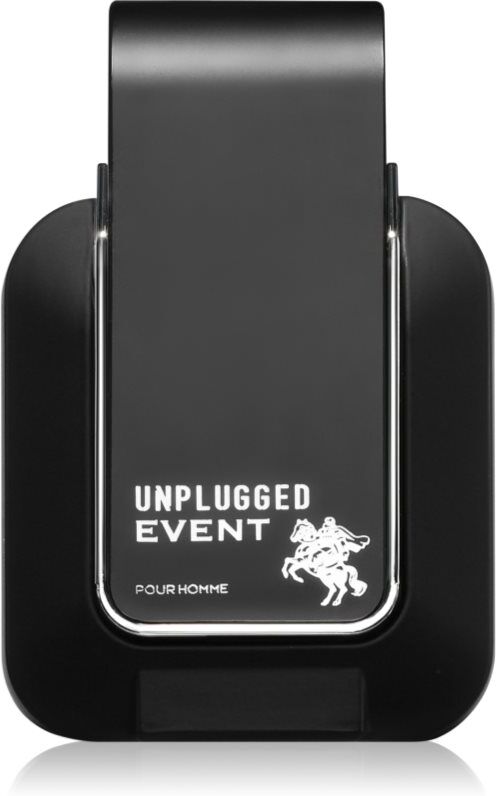
Emper Unplugged Event Eau de Parfum pour homme 80 mlEmper Unplugged Event, 80 ml, Eaux de Parfum pour homme, L'eau de parfum pour homme Emper Unplugged Event sera l’indispensable dont vous ne voudrez plus vous passer. Elle vous séduira dès les premières effluves et deviendra partie intégrante de votre quotidien. parfum fruité parfum floral parfum de musc un parfum plaisant qui ne cessera de vous captiver16,70 €*Shipping: 3,45 €Secure redirect to the provider
-
Emper Genius Event Eau de Parfum pour homme 100 mlEmper Genius Event, 100 ml, Eaux de Parfum pour homme, Que vous ayez une réunion d'affaires importante, une fête entre amis ou un dîner avec la femme de votre vie, l'eau de parfum pour homme Emper Genius Event sera votre meilleur atout. Elle vous donnera l’assurance dont vous aurez besoin pour oser vous mettre en valeur. parfum floral parfum boisé il mettra en valeur les hommes qui n'ont pas peur d'être naturels un parfum unique qui se prête aux occasions spéciales18,80 €*Shipping: 3,45 €Secure redirect to the provider
-
Is anger a noun?
Yes, anger is a noun. It is a feeling or emotion that can be experienced by a person. As a noun, anger refers to the strong feeling of displeasure or hostility towards someone or something. It is a common human emotion that can vary in intensity and duration. **
-
Is "Rot" a noun?
Yes, "Rot" is a noun. It refers to the process of decay or decomposition in organic matter. **
-
Is "müssen" a noun?
No, "müssen" is not a noun. It is a modal verb in German that means "must" or "have to." Modal verbs are used to express necessity, obligation, or possibility in a sentence. **
-
How do I recognize a masculine noun and a feminine noun in French?
In French, the gender of a noun is not always predictable and can vary from word to word. However, there are some general rules to help recognize the gender of a noun. One common rule is that nouns ending in -e are often feminine, while those ending in other letters are often masculine. Additionally, nouns referring to male people or animals are usually masculine, while those referring to female people or animals are usually feminine. However, it's important to note that there are many exceptions to these rules, and the gender of a noun often needs to be learned and memorized along with the word itself. **
Similar search terms for Noun
-
How can I recognize a masculine noun and a feminine noun in French?
In French, one way to recognize a masculine noun is by looking at the article that precedes it. Masculine nouns are usually preceded by the articles "le" (singular) or "les" (plural). On the other hand, feminine nouns are typically preceded by the articles "la" (singular) or "les" (plural). Additionally, many feminine nouns end in the letter "e," while masculine nouns often do not. It is important to remember that there are exceptions to these rules, so it is helpful to learn the gender of nouns along with their respective articles. **
-
What are German noun signals?
German noun signals are words that indicate the gender of a noun in the German language. These signals can help learners determine whether a noun is masculine, feminine, or neuter. Some common signals include definite articles like "der" for masculine nouns, "die" for feminine nouns, and "das" for neuter nouns. Additionally, the ending of a noun can also serve as a signal, as certain endings are typically associated with specific genders. **
-
Is this a proper noun?
No, this is not a proper noun. **
-
Is a name a noun?
Yes, a name is a noun. In grammar, a noun is a word that represents a person, place, thing, or idea. Names are used to identify specific people, places, or things, making them a type of noun. For example, "John" is a name representing a person, "Paris" is a name representing a place, and "book" is a noun representing a thing. **
* All prices are inclusive of VAT and, if applicable, plus shipping costs. The offer information is based on the details provided by the respective shop and is updated through automated processes. Real-time updates do not occur, so deviations can occur in individual cases. ** Note: Parts of this content were created by AI.