Buy nokiaantwerpskatecontest.be ?
We are moving the project
nokiaantwerpskatecontest.be .
Are you interested in purchasing the domain
nokiaantwerpskatecontest.be ?
domain@kv-gmbh.de · 0541-91531010
Buy nokiaantwerpskatecontest.be ?
What is a pronoun?
A pronoun is a word that is used in place of a noun to avoid repetition. It can refer to a person, place, thing, or idea. Pronouns help make sentences less repetitive and more concise. Examples of pronouns include he, she, it, they, we, and you. **
Which pronoun is him?
The pronoun "him" is a third person singular masculine pronoun used to refer to a male person or animal that is the object of a verb or preposition. It is the objective form of the pronoun "he." **

Similar search terms for Pronoun
Top-Angebote
Products related to Pronoun:
-
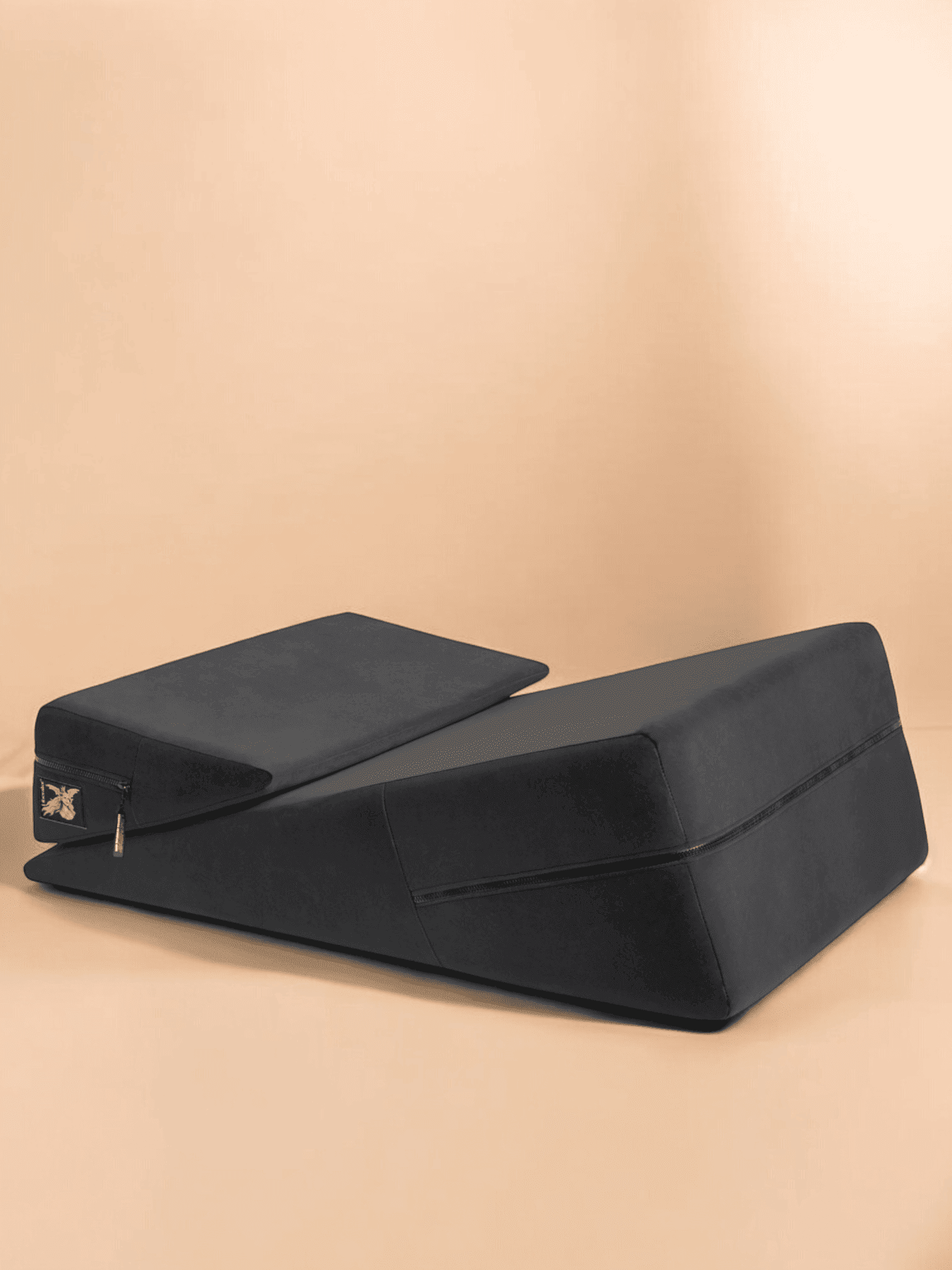
Liberator Kit Bondage avec Coussins "Wedge Ramp Combo"Explorez de nouvelles dimensions du plaisir avec le Kit Bondage avec Coussins "Wedge Ramp Combo" de Liberator. Ce duo de coussins d'amour, conçu pour épouser les formes du corps, vous invite à expérimenter des positions audacieuses et des pénétrations plus profondes. Les coussins cunéiformes369,00 €*Shipping: 0,00 €Secure redirect to the provider
-
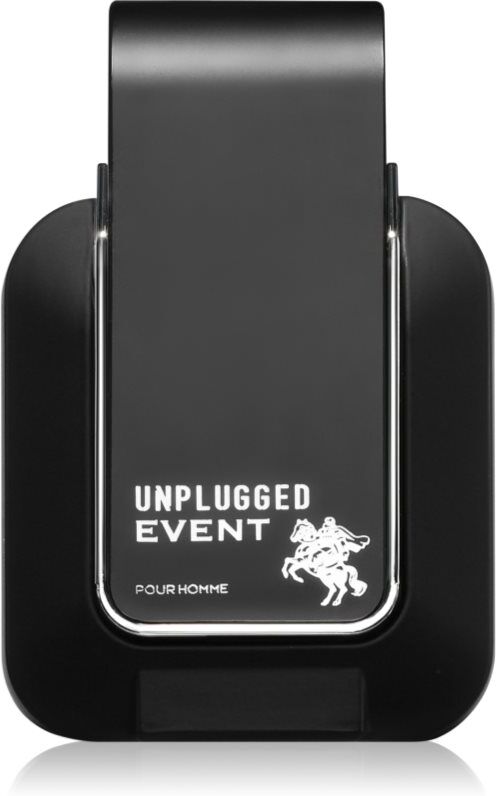
Emper Unplugged Event Eau de Parfum pour homme 80 mlEmper Unplugged Event, 80 ml, Eaux de Parfum pour homme, L'eau de parfum pour homme Emper Unplugged Event sera l’indispensable dont vous ne voudrez plus vous passer. Elle vous séduira dès les premières effluves et deviendra partie intégrante de votre quotidien. parfum fruité parfum floral parfum de musc un parfum plaisant qui ne cessera de vous captiver16,70 €*Shipping: 3,45 €Secure redirect to the provider
-
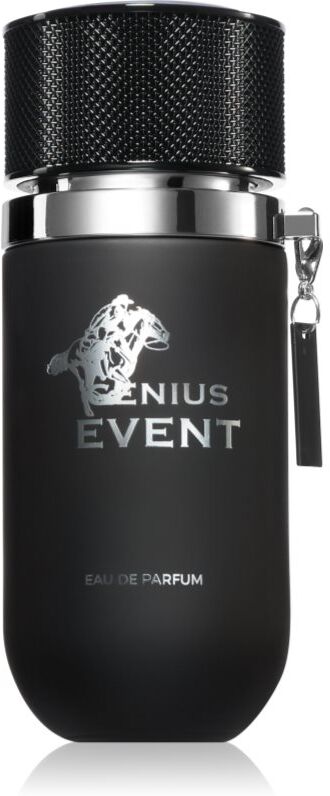
Emper Genius Event Eau de Parfum pour homme 100 mlEmper Genius Event, 100 ml, Eaux de Parfum pour homme, Que vous ayez une réunion d'affaires importante, une fête entre amis ou un dîner avec la femme de votre vie, l'eau de parfum pour homme Emper Genius Event sera votre meilleur atout. Elle vous donnera l’assurance dont vous aurez besoin pour oser vous mettre en valeur. parfum floral parfum boisé il mettra en valeur les hommes qui n'ont pas peur d'être naturels un parfum unique qui se prête aux occasions spéciales18,80 €*Shipping: 3,45 €Secure redirect to the provider


-
Is this a pronoun?
No, the word "this" is not a pronoun. It is a demonstrative adjective or pronoun that is used to indicate something specific or near in distance or time. Pronouns are words that replace nouns in a sentence, such as he, she, it, they, etc. **
-
Which pronoun is reflexive?
A reflexive pronoun is a pronoun that refers back to the subject of the sentence. It ends in -self or -selves, such as "myself," "yourself," "himself," "herself," "itself," "ourselves," "yourselves," and "themselves." Reflexive pronouns are used when the subject and object of a sentence are the same entity, emphasizing that the action is being performed by the subject onto itself. **
-
What is the difference between a personal pronoun and a possessive pronoun?
A personal pronoun is used to replace a noun and refers to a specific person or thing, such as "he," "she," or "they." On the other hand, a possessive pronoun shows ownership or possession, such as "his," "her," or "their." Personal pronouns indicate who is performing the action in a sentence, while possessive pronouns indicate who owns or possesses something. **
-
What is a personal pronoun?
A personal pronoun is a word that is used to replace a noun in a sentence to avoid repetition. Personal pronouns refer to specific people or things and can indicate the person speaking (first person), the person being spoken to (second person), or the person or thing being spoken about (third person). Examples of personal pronouns include "I," "you," "he," "she," "it," "we," and "they." **
What is the indirect pronoun?
An indirect pronoun is a pronoun that indicates the recipient of the action in a sentence. It is used to show to whom or for whom an action is being done. Indirect pronouns often come after prepositions such as "to" or "for" and can include words like "me," "you," "him," "her," "us," and "them." These pronouns help clarify the relationship between the subject and the object in a sentence. **
Is "dich" a personal pronoun?
Yes, "dich" is a personal pronoun in German. It is the accusative form of the second person singular pronoun "du," which means "you" in English. "Dich" is used when the pronoun is the direct object of a sentence. **
Top-Angebote
Products related to Pronoun:
-
Liberator Kit Coussin Wedge Ramp NoirDécouvrez de nouvelles dimensions de plaisir avec le Kit Coussin Wedge Ramp Noir de Liberator. Ces deux coussins d'amour anatomiques transforment chaque moment intime en une expérience inoubliable. Les housses en microfibre, non seulement lavables en machine, adhèrent l'une à l'autre pour garantir269,00 €*Shipping: 0,00 €Secure redirect to the provider
-
Liberator Kit Bondage avec Coussins "Wedge Ramp Combo"Explorez de nouvelles dimensions du plaisir avec le Kit Bondage avec Coussins "Wedge Ramp Combo" de Liberator. Ce duo de coussins d'amour, conçu pour épouser les formes du corps, vous invite à expérimenter des positions audacieuses et des pénétrations plus profondes. Les coussins cunéiformes369,00 €*Shipping: 0,00 €Secure redirect to the provider
-
Emper Unplugged Event Eau de Parfum pour homme 80 mlEmper Unplugged Event, 80 ml, Eaux de Parfum pour homme, L'eau de parfum pour homme Emper Unplugged Event sera l’indispensable dont vous ne voudrez plus vous passer. Elle vous séduira dès les premières effluves et deviendra partie intégrante de votre quotidien. parfum fruité parfum floral parfum de musc un parfum plaisant qui ne cessera de vous captiver16,70 €*Shipping: 3,45 €Secure redirect to the provider
-
What is a pronoun?
A pronoun is a word that is used in place of a noun to avoid repetition. It can refer to a person, place, thing, or idea. Pronouns help make sentences less repetitive and more concise. Examples of pronouns include he, she, it, they, we, and you. **
-
Which pronoun is him?
The pronoun "him" is a third person singular masculine pronoun used to refer to a male person or animal that is the object of a verb or preposition. It is the objective form of the pronoun "he." **
-
Is this a pronoun?
No, the word "this" is not a pronoun. It is a demonstrative adjective or pronoun that is used to indicate something specific or near in distance or time. Pronouns are words that replace nouns in a sentence, such as he, she, it, they, etc. **
-
Which pronoun is reflexive?
A reflexive pronoun is a pronoun that refers back to the subject of the sentence. It ends in -self or -selves, such as "myself," "yourself," "himself," "herself," "itself," "ourselves," "yourselves," and "themselves." Reflexive pronouns are used when the subject and object of a sentence are the same entity, emphasizing that the action is being performed by the subject onto itself. **
Similar search terms for Pronoun
-
Emper Genius Event Eau de Parfum pour homme 100 mlEmper Genius Event, 100 ml, Eaux de Parfum pour homme, Que vous ayez une réunion d'affaires importante, une fête entre amis ou un dîner avec la femme de votre vie, l'eau de parfum pour homme Emper Genius Event sera votre meilleur atout. Elle vous donnera l’assurance dont vous aurez besoin pour oser vous mettre en valeur. parfum floral parfum boisé il mettra en valeur les hommes qui n'ont pas peur d'être naturels un parfum unique qui se prête aux occasions spéciales18,80 €*Shipping: 3,45 €Secure redirect to the provider
-
What is the difference between a personal pronoun and a possessive pronoun?
A personal pronoun is used to replace a noun and refers to a specific person or thing, such as "he," "she," or "they." On the other hand, a possessive pronoun shows ownership or possession, such as "his," "her," or "their." Personal pronouns indicate who is performing the action in a sentence, while possessive pronouns indicate who owns or possesses something. **
-
What is a personal pronoun?
A personal pronoun is a word that is used to replace a noun in a sentence to avoid repetition. Personal pronouns refer to specific people or things and can indicate the person speaking (first person), the person being spoken to (second person), or the person or thing being spoken about (third person). Examples of personal pronouns include "I," "you," "he," "she," "it," "we," and "they." **
-
What is the indirect pronoun?
An indirect pronoun is a pronoun that indicates the recipient of the action in a sentence. It is used to show to whom or for whom an action is being done. Indirect pronouns often come after prepositions such as "to" or "for" and can include words like "me," "you," "him," "her," "us," and "them." These pronouns help clarify the relationship between the subject and the object in a sentence. **
-
Is "dich" a personal pronoun?
Yes, "dich" is a personal pronoun in German. It is the accusative form of the second person singular pronoun "du," which means "you" in English. "Dich" is used when the pronoun is the direct object of a sentence. **
* All prices are inclusive of VAT and, if applicable, plus shipping costs. The offer information is based on the details provided by the respective shop and is updated through automated processes. Real-time updates do not occur, so deviations can occur in individual cases. ** Note: Parts of this content were created by AI.